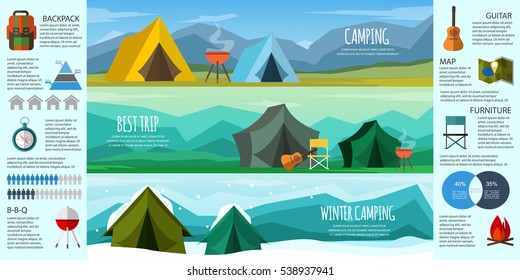
Winter months outdoor camping includes a brand-new set of difficulties to the backpacking experience. Ensure your tent, resting bag and gear can handle freezing temperatures, snowy landscapes and challenging weather conditions with this overview to developing camp in wintertime.
Begin with a moisture-wicking base layer and a shielding layer like polypropylene long johns or heavyweight fleece. For an outer covering, choose a waterproof and wind-resistant coat and trousers.
How to Set Up Your Camping tent
Winter months camping can be a difficulty for backpackers. Along with loading the right gear, it is very important to recognize how to set up camp in snow. Choose a website with wind defense and avalanche safety in mind. Then, prepare the location by loading down and smoothing the snow.
Sleep in tidy clothes: In time, body oils and sweat can rob your resting bag of its shielding power. Take into consideration a sleeping bag liner for added warmth, which likewise minimizes deterioration.
Bring a second pad: It's great technique to make use of two pads in cold weather-- a closed-cell foam mat next to your self-inflating sleeping bag for additional insulation and as a backup in case the sleeping bag leaks.
Select the appropriate risks and securing methods: Conventional camping tent stakes operate in sand and crushed rock, yet they're much less reliable in deep snow. Attempt using a "deadman" method (tying lines to sticks or bags buried in the snow) or making a buried "snow wall." Make certain your electronics are charged: Cold temperatures can rapidly drain batteries.
Discovering a Great Site
Generally, discover a website that's faraway from avalanche terrain and close to a source of non-frozen water. You'll spend a great deal of time boiling snow to get warm drinking water when winter camping, and it's much easier to do that when you're closer to a water source.
Additionally, think about setting up camp away from other campsites to avoid the potential for wind-driven snow wanders. When picking a camping site, take into consideration whether you intend to construct a kitchen area out of snow, which can make it much easier to cook meals and provide an insulated place to hang around when not outside exploring or hiking.
If you're new to winter season outdoor camping, try it out first with a weekend journey in an established auto camping site or on public land where the roadways are not snow-covered. This provides you a possibility to practice establishing your outdoor tents and check out the area without needing to fret about driving conditions or weather.
Getting Ready to Rest
If you're camping in the snow, make sure to bring a great sleeping pad and a cozy bag. Insulation evaluates more than cotton, so intend on a larger backpack with plenty of area to hold the bulky equipment you'll need to stay cozy.
Prevent cotton as an outer layer when possible, as it's no good at wicking wetness and will cool you swiftly. Polypropylene long johns or a wool coat are much better options for a close-fitting base layer. And pick a water resistant shell with weather-proof cellular lining.
Putting on clean clothing at night aids your sleeping bag preserve its protecting power. Also, make certain to use a hat and gloves. Your head, hands and feet have one of the most blood vessels and often tend to really feel cold initially. They can then make the rest of your body really feel cold, also. A little prep work can make winter outdoor camping a terrific experience for any outdoors type. But do not overdo it. Too much exterior exposure can bring about hypothermia and frostbite.
Setting Up Your Outdoor tents
While a normal 3-season backpacking tent will certainly be enough for the majority of weekend outdoor camping trips, you'll require more details gear to camp in the snow. Winter months tents are constructed with stronger posts, heavier materials and longer rainflys to withstand solid winds, hefty snow family tent tons and the freezing cold.
The most effective winter season outdoors tents strike a balance of livability and weather condition protection. While lighter camping tents are readily available, they frequently give up some weatherproofing or livability to conserve weight. You'll also need to take into consideration how far you'll be treking and the quantity of weight you can conveniently lug.